B2B research that ends in a decision, not a deck.
Most B2B studies go wrong long before the data comes back: the wrong method, an audience that cannot be reached, a budget set by habit. MR Framework covers the whole process, from strategy to a story built for action, designed around how B2B companies make decisions.
What B2B researchers should know right now
AI in research, data quality, and industry news worth your time. Each item is one headline, the short version, and why it matters for B2B decisions.
Not another roundup. One B2B research call worth making, every two weeks.
The news lives here, on this page. The email is for the judgment behind it: one real B2B research decision, how a 25-year practitioner would make it, and what changes when AI is in the loop.
- B2B only. No consumer trends, no hype cycle.
- A five-minute read with something you can use on your next study.
- First look at new kits and guides before they go public.
I need research to make a decision.
You lead marketing, product, strategy, or sales, and you need evidence you can act on, without a research team of your own.
- Market sizing, go-to-market, competitive, and brand tracking
- Thought leadership research for sales and marketing
- Scoped around who makes the decision and how
I run research and want to do it better.
You buy sample, run studies, or manage insights, and you want stronger B2B foundations and a plan for working with AI.
- Self-serve kits and workbooks for each stage
- Free buyer's guides to sample sources and partners
- Done-with-you builds when you want to standardize
Five stages. Four threads that run through every one.
Each stage is a point where B2B studies succeed or fail. Under every stage run the same four threads: who makes the decision, the people who need to agree, the money and how it gets judged, and the AI tools that can assist along the way.
Research is recursive, especially in B2B. What you learn in Use It reshapes the next Define It. The same accounts, buying committees, and stakeholders come back study after study, on fiscal calendars and procurement cycles that consumer research never deals with. The framework plans for that loop.
The B2B questions that shape strategy, sales, and marketing.
The same five stages apply whether you are sizing a market, testing a product, or tracking your brand. Each study type has its own traps in B2B, and its own way of becoming a decision.
Thought leadership research
Original B2B data your company owns. It gives sales a reason to start a conversation and gives marketing something to say that competitors cannot repeat, because they do not have the data.
Product research
Concept, feature, pricing, and roadmap decisions tested with the buyers and users who make the choice.
Market sizing (TAM)
Addressable market sized from business populations and firmographics.
Go-to-market
Segments, buying committees, channels, and messages for a launch or a new market.
Competitive research
How buyers see you against the alternatives, and where you win and lose deals.
Technology research
Adoption, evaluation, and purchase behavior among IT and technical decision-makers.
Brand and equity tracking
Awareness, consideration, and reputation among business audiences, measured consistently over time.
What people say is one signal. There are others.
Self-reported data is one source. Strong B2B research also draws on signals the business and the market already produce, and combines them so each one checks the others.
- Self-reportedQuantitative surveys and qualitative interviews.
- Organic conversationThe words professionals use about a topic on social media and in professional communities, which often differ from analyst and corporate language.
- Media monitoring and measurementWhat the trade and business press is saying, and how much of it reaches your buyers. Often overlooked in B2B research.
- Collective B2B databasesFirmographic and role data that confirm you are reaching the right decision-maker or product user.
- First-party business dataCRM, pipeline, win/loss, and customer records.
- Market and secondaryIndustry, economic, and published data.
The C-suite is not always the right audience. B2B studies often assume they need CEOs and other executives as the gatekeepers, then find they heard too little from the people with hands on keyboards to learn how a product is used inside the organization. Decide which mix of decision-makers, influencers, and day-to-day users the decision needs, and use B2B data sources to confirm you reached them.
Scope every study for whoever will act on it.
Today, most B2B research decisions are made by people, and more of those people are working with AI tools. Over time, some decisions are likely to move to AI agents with less human involvement. Each of these needs a similar but distinctly different approach, so MR Framework starts every study by asking who will make the decision, and how.
People decide
A budget owner, a buying committee, and procurement read the plan and the findings.
What changesEarly stakeholder buy-in, findings told as a story with business context, and a clear recommendation with an owner.
People decide, assisted by AI
AI tools summarize findings, compare bids, or screen vendors before a person decides.
What changesMethod, caveats, and quality evidence written plainly, so the meaning survives an AI summary.
AI agents decide, with human oversight
An agent recommends or acts, and people review at set points.
What changesAssumptions, thresholds, and decision rules stated explicitly, with the human review points defined up front.
AI agents decide alone
Agents act inside guardrails people set in advance.
What changesGuardrails agreed before fieldwork, data provenance and quality standards an agent can verify, and a full audit trail.
Many studies involve more than one: a person approves the budget while an AI tool screens the vendors. The foundations stay the same. How the plan and findings are built and delivered changes with the decision-maker.
What every plan should make explicit
- Who makes the decision, and how it gets made.
- The decision it informs and how success will be measured.
- Why this evidence: quant, qual, signals the business already has, or a mix, for this audience.
- Evidence the audience exists and can be reached at the quoted incidence.
- Quality terms and effective cost, including what happens to completes that get removed.
- Assumptions anyone can trace and test, whether the reviewer is a person or an AI tool.
Your years of judgment are not a sunk cost in the AI era. They are the training data.
Pick the stages you need. Three ways to get each one right.
Each stage is a module. Each module comes as a self-serve kit (Frame It), a done-with-you build (Build It), or research we run for you (Run It). Source It is live first, because sourcing is where most B2B studies break first.
Most B2B buyers walk onto a farm looking for a pet.
You learned how to order food by eating: nobody had to explain the difference between a drive-thru and a tasting menu. Buying B2B sample never got that education. Most buyers learn the market from sales decks, so they ask an aggregator for verified decision-makers it was never built to deliver, then clean out a large share of the data afterward. A strong strategy cannot survive the wrong participants.
Learn the market before you buy from it.
The Buyer's Guide to Sample Sources
Pets, farm, zoo, safari: four sourcing models, why buyers end up at the wrong one, and how to vet any supplier.
Read the guideSample Supply Map
Ten sample sources in three layers, each with the questions to ask a partner.
Open the map"Nationally representative" for B2B?
Why census demographics are the wrong benchmark for a business population.
Read the guidePart of the industry conversation on AI and participant trust.
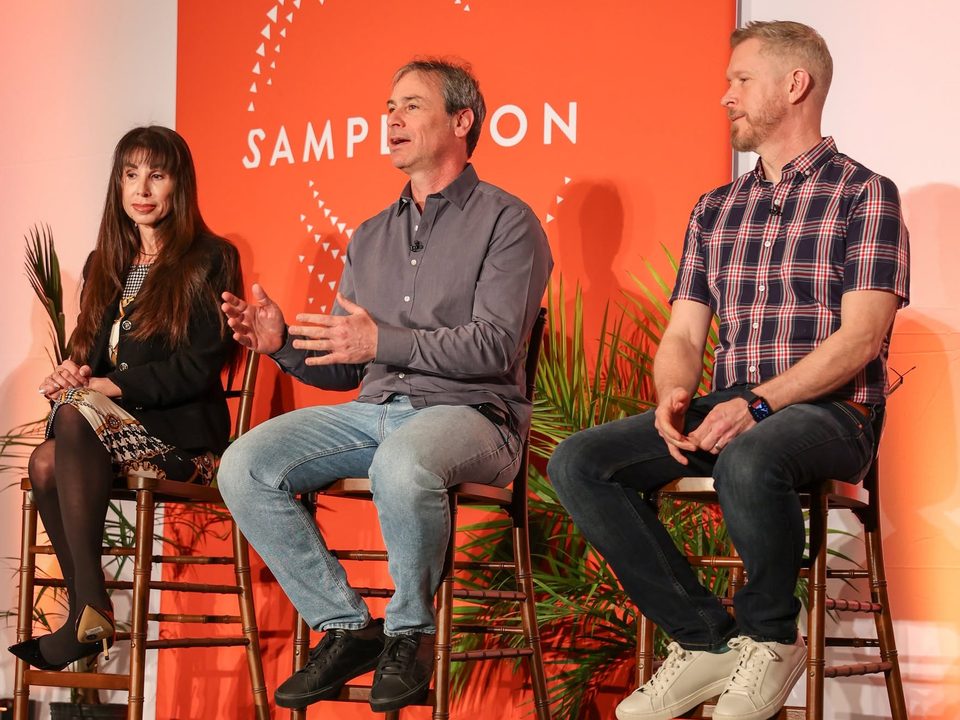
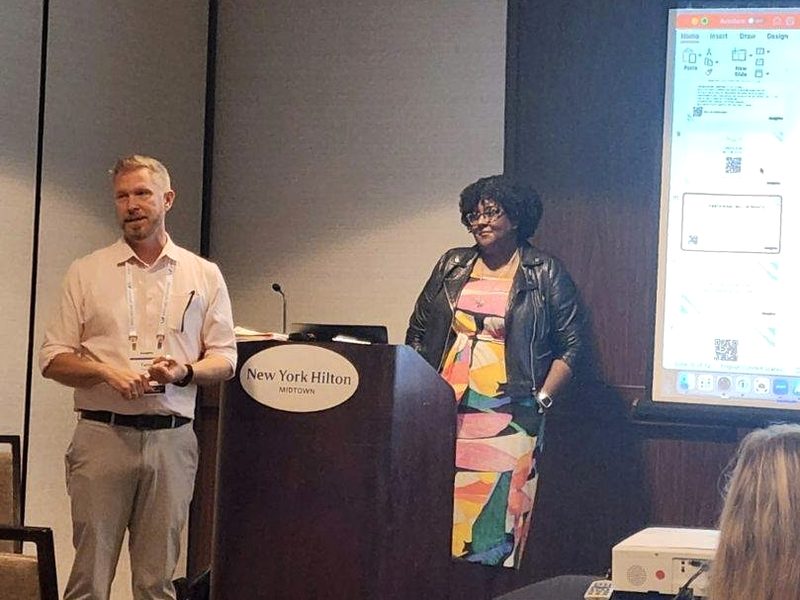
The positions in MR Framework are ones Terry has argued in front of peers: on stage at SampleCon and at CRC.
The Partner Landscape, on one page.
Every type of B2B sample partner, what each is built to do, and where each one breaks. Send it to your team before your next bid round.
We email you the PDF. Your address is never shared or sold.

Terry Sweeney, founder
25+ years across B2B product, market sizing, go-to-market, competitive, technology, and brand research, plus thought leadership programs, on the supplier, agency, and client sides. Deep roots in panel operations, custom recruitment, and survey methodology, drawing on organic conversation, media, and business data alongside surveys and interviews. Built Edelman's Global Insights Center of Excellence and led Ronin International in North America. Member of the Insights Association's Council for Data Integrity, and a speaker on AI in research and the Participant Bill of Rights.